
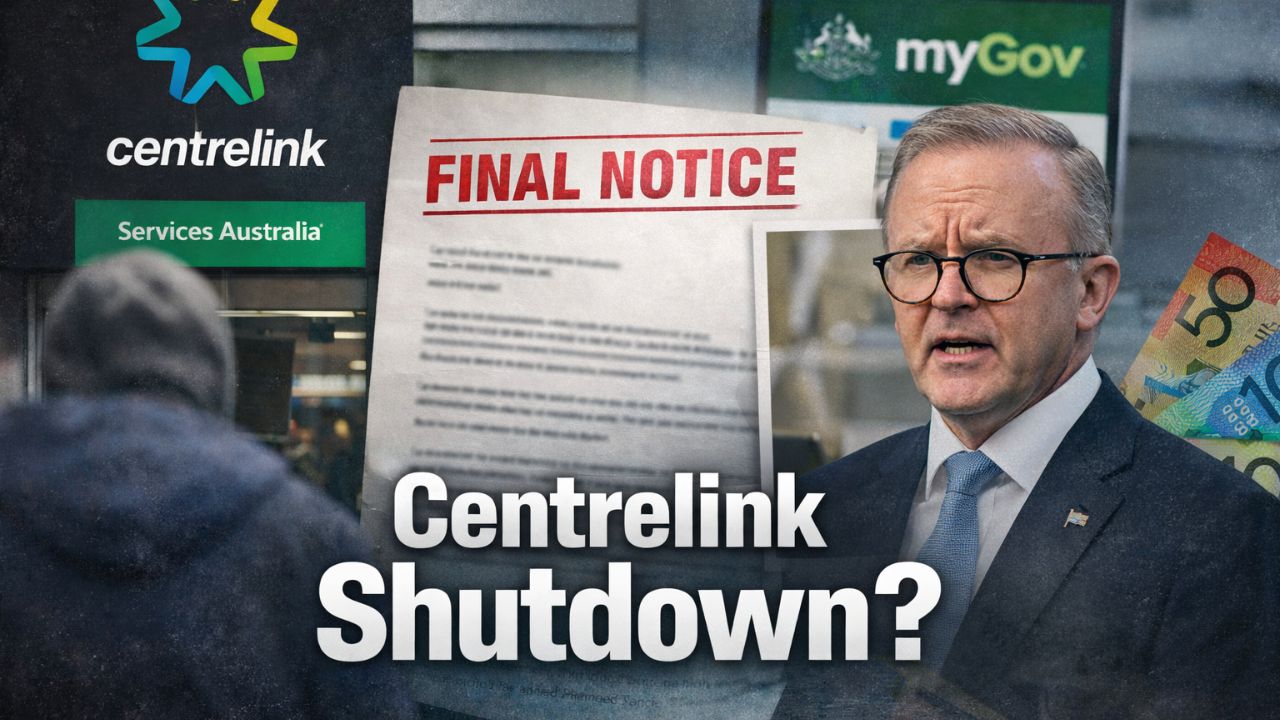
In recent weeks, many Australians have come across alarming messages suggesting that the government is planning to end Centrelink programs. Social media posts, unofficial websites, and forwarded messages have used strong phrases such as “final notice” or “deadline warning,” which have created confusion and concern among benefit recipients.
However, a closer look at official updates and reliable information shows that these claims are misleading. Centrelink payments are not being shut down. What people are experiencing is a combination of stricter compliance checks, system notifications, and widespread misinformation.
Table of Contents
What Is the Truth About Centrelink Programs in Australia?

Centrelink remains an essential part of Australia’s social support system. It continues to provide financial assistance to millions of people, including pensioners, job seekers, carers, students, and families.
There has been no official announcement from the Australian Government or Services Australia about ending these programs. Payments such as the Age Pension, JobSeeker Payment, Youth Allowance, Disability Support Pension, Parenting Payment, and Family Tax Benefit are still active.
Any claim suggesting that the government is “quitting all Centrelink programs” is incorrect and not supported by credible sources.
Why Are People Receiving “Final Notice” Messages?
One of the main reasons behind the confusion is the increase in automated messages and reminders sent to recipients. These messages often use urgent language, which can make them seem more serious than they actually are.
In most cases, these notifications are linked to routine requirements such as income reporting, identity verification, or meeting activity obligations. If these requirements are not completed on time, the system may automatically generate a warning or temporarily suspend payments.
The use of phrases like “final notice” is part of standard communication processes and does not indicate that Centrelink programs are ending.
Stricter Compliance Measures and Digital Monitoring
Services Australia has been improving its systems to ensure payments are accurate and reach the right people. As part of this, digital monitoring and compliance checks have become more efficient.
This means that:
- Missing a reporting deadline can lead to quicker suspension of payments
- Failure to attend appointments or meet obligations may trigger automatic actions
- Document verification requests are processed more rapidly
While these changes aim to reduce errors and fraud, they can sometimes feel overwhelming, especially when notifications are frequent.
It is important to understand that these measures are about compliance, not about removing financial support entirely.
Temporary Suspension vs Permanent Cancellation
Many recipients worry that a suspension means their benefits have been permanently stopped. In reality, there is a clear difference between suspension and cancellation.
A suspension usually occurs when a person has not completed a required task, such as submitting income details or attending a scheduled appointment. Once the requirement is met, payments are often restored.
A cancellation, on the other hand, happens when eligibility criteria are no longer met. Even then, individuals can reapply or request a review of the decision.
Understanding this distinction can help reduce unnecessary panic.
Changes in Employment Services and Mutual Obligations
Another factor contributing to confusion is the ongoing changes in employment services. These programs manage job-seeking requirements for people receiving certain payments.
Updates to these systems may affect how obligations are tracked and enforced. As a result, some individuals may notice more frequent reminders or stricter enforcement of requirements.
However, these changes are limited to how services are delivered and do not mean that income support payments are being withdrawn across the board.
The Role of Misinformation in Spreading Panic
Misinformation about Centrelink is not new. Unofficial websites and social media posts often spread exaggerated or incorrect claims about payments, eligibility, or deadlines.
These posts tend to use sensational headlines to attract attention, which can lead to confusion among readers. In many cases, the information is either outdated or completely false.
Services Australia has repeatedly warned people to rely only on official sources for updates and to avoid acting on unverified information.
How Australians Can Protect Themselves from False Claims
To stay informed and avoid unnecessary stress, it is important to follow a few simple steps:
- Always check information through official Services Australia or myGov accounts
- Avoid relying on viral posts or unknown websites for payment updates
- Respond promptly to genuine notifications received through official channels
- Contact Services Australia directly if something seems unclear
Taking these steps can help ensure that decisions are based on accurate information.
What to Do If You Receive a Warning or Suspension Notice
Receiving a notice can be stressful, but it is usually a straightforward issue to resolve. In most cases, the notice is simply asking for an action to be completed.
For example, a person may need to report their income, upload documents, or attend an appointment. Once the requirement is fulfilled, payments may resume without further issues.
If there is a disagreement with a decision, individuals also have the right to request a review.
Why Centrelink Remains a Core Support System
Centrelink plays a vital role in supporting Australians through different stages of life. From unemployment assistance to disability support and family payments, these programs provide essential financial security.
Given this importance, any major change to Centrelink would be officially announced and widely reported. There is no indication that such changes are currently planned.
Instead, the focus remains on improving systems, ensuring compliance, and maintaining accurate payments.
Stay Informed and Avoid Panic
The recent claims about Centrelink programs ending have caused unnecessary concern, but they are not based on verified information. What Australians are experiencing is a shift towards stricter compliance and more automated systems, not the removal of welfare support.
It is important to remain calm, verify information through official sources, and respond to legitimate notices when required. By staying informed and cautious, individuals can avoid being misled by false claims.
Centrelink continues to operate as a key part of Australia’s support system, and there is no evidence to suggest that it is being discontinued.